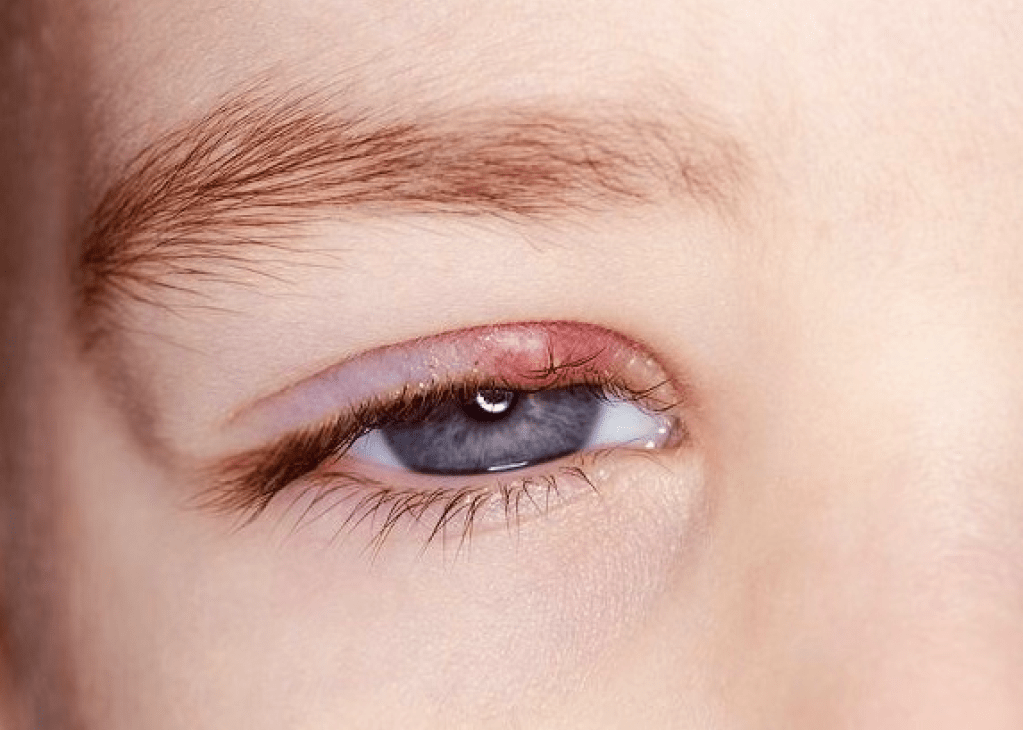
A “Hordeolum” commonly known as stye manifests as a painful, red bump along the border of your eyelid (not the eye). Resembling an acne pimple, it develops when a small oil gland near your eyelashes becomes obstructed and infected. Styes are very common, and in many cases, you can manage them at home. But some rare cases may require treatment by a health care provider.
What is Stye?
A stye, also known as a sty, is a painful, red bump located on the edge of your eyelid. Resembling an acne pimple, it can be sensitive to the touch. The formation of a stye occurs when a minute oil-producing gland within your eyelash follicle or eyelid skin becomes obstructed, leading to a bacterial infection. The medical term for a stye is “hordeolum.”
It’s common to have a stye on only one eyelid, but it’s also possible to get styes on both lids. A stye usually lasts one to two weeks and will typically go away on its own. But in cases where it doesn’t, you may need to rely on an eye care provider to drain it. They may also prescribe antibiotics to reduce the infection.
A stye bears similarities to another type of eyelid bump called a chalazion, which tends to form farther back on the eyelid. Unlike a stye, a chalazion is usually painless and not caused by a bacterial infection. Nevertheless, the treatment approaches for both conditions are similar.
What causes a stye?
A bacterial infection in your eyelid’s oil-producing glands causes most styes. The infection is most often caused by bacteria called staph (Staphylococcus aureus).
Who is most likely to develop Stye?
Styes are very common, and anyone can get them. But you may be more likely to get a stye if you:
- Have had a stye before.
- Have blepharitis (an inflammation of your eyelids).
- Have certain skin conditions, like acne, rosacea or dandruff (seborrheic dermatitis).
- Hormonal changes
- Have diabetes.
- Have dry skin.
- Have high cholesterol level.
Management and Treatments
How can you alleviate a stye?
Typically, a stye will resolve on its own within two weeks to three weeks.
To expedite relief, minimize pain, and reduce swelling, you can follow a self-care regimen to address the stye at home.
Here are some recommended actions and precautions for managing a stye at home:
Do:
Use warm compresses.
Apply a warm washcloth to your eyelid for 10 to 15 minutes at a time, three to five times a day. Rewarm the washcloth by soaking it in warm water, wring and repeat. Many people believe that using green tea bags moistened in warm water as eye compresses will help the stye not only feel better, but also speed healing, due in part to the antibacterial properties of green tea.
Use face wash or soap with green tea extract
Green tea researched by some scientists shown that a natural antioxidant in the tea breaks down the cell wall of the bacteria and killing it. (e.g Prospela bye bye stye)
Clean eyelids.
Gently wipe away eye discharge with a mild soapy solution made from half gentle face cleanser (preferably with green tea extract) and half water.
You can also use eyelid wipes available in most drug stores.
Don’t:
- Squeeze or pop a stye. (You can cause bacteria to spread around making things worst)
- Touch or Rub your eyelid without washing your hands throughly
- Wear makeup or contact lenses until the area has fully healed.
Additional symptoms of a stye may encompass:
- A scratchy sensation or the feeling of having something in your eye.
- Soreness and itching.
- Swelling of your eyelid, possibly affecting the entire eyelid.
- Discharge from your eye.
- Crusting along your eyelid.
- Light sensitivity.
- Eye tearing.
Is it possible to avoid styes?
The most effective approach to prevent styes involves maintaining good facial hygiene, which includes:
- Thorough and frequent handwashing, particularly before touching your face and eyes.
- Washing your hands both before and after handling contact lenses. Clean your contacts using disinfectant and lens cleaning solution. Dispose of daily wear or other “limited use” lenses according to your manufacturer.
- Cleansing your face to eliminate dirt and/or makeup before bedtime. Using a facwash that is mild and have oil control properties (e.g Prospela Daily Wash)
- Discarding eye makeup every two to three months and refraining from sharing it with others.


 Stye (sty) Treatments, Symptoms and Causes (hordeolum)